Why Spring is the Best Time for Chimney Maintenance
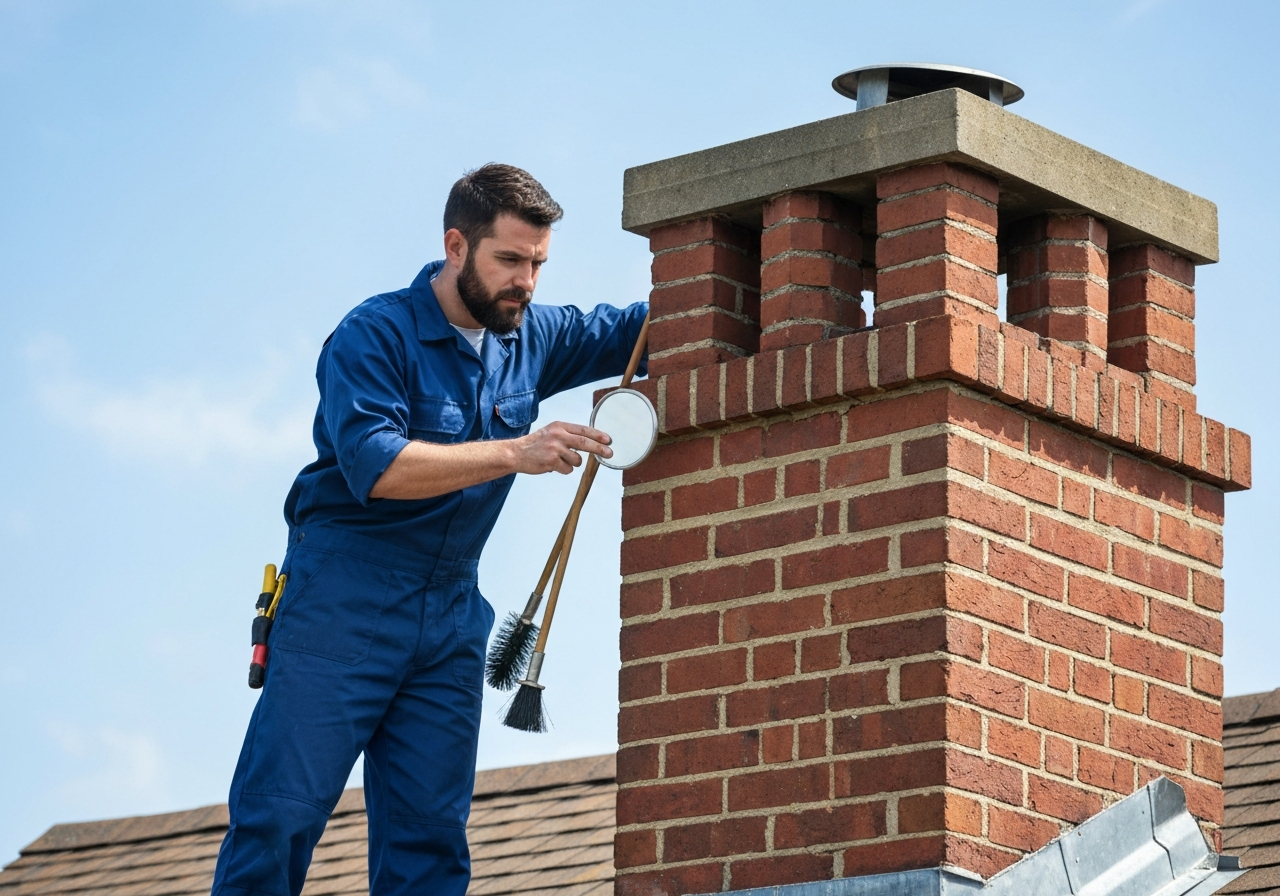
Most people wait until fall to book a sweep. Here's why getting it done in the spring saves you time, money, and stress.
Your chimney is built to withstand extreme temperatures and harsh weather, but it isn't invincible. Over time, the constant expansion and contraction from heat, combined with Long Island's freeze-thaw winter cycles, can cause significant wear and tear on your masonry and flue system.
The Warning Signs
Most homeowners don't think about their chimney until there's a problem. By the time you notice something is wrong, the damage is often more severe than it appears. Catching these issues early can save you thousands in structural repairs.
- •Spalling Bricks: If you find pieces of brick or masonry on your roof or the ground around your chimney, water has penetrated the brick and frozen, forcing the face of the brick to pop off.
- •White Staining (Efflorescence): White, powdery stains on the outside of your chimney are a clear sign of moisture problem. It means water is moving through the masonry and leaving salt deposits behind.
- •Strong Odors: A campfire or damp smell coming from your fireplace during the summer months usually indicates a buildup of creosote or a moisture issue inside the flue.
What You Can Do
The best defense against chimney degradation is annual preventative maintenance. A professional sweep and inspection will identify minor issues like cracked mortar joints or a damaged chimney cap before they allow water to destroy the interior of your chimney. If you've noticed any of these warning signs, don't wait for winter to address them.